Beach Safety & Info

Beach Safety Laws

The following summary highlights key beach safety laws and ordinances for Escambia, Santa Rosa, Okaloosa, and Walton counties. Visitors are encouraged to follow all posted regulations and practice responsible beach stewardship to help preserve these treasured shorelines for future generations.

Santa Rosa County
  • Remove all items used for swimming, sunbathing or recreation two hours after dusk, and keep them off the beach until two hours after sunrise.
  • No camping.
  • No firearms.
  • No glass containers.
  • Remove trash.
  • No pets.
  • No abusive, threatening, indecent or disorderly conduct.
  • No campfires.
  • Do not destroy sea oats.
  • Stay off the dunes.
  • No fireworks.
  • Do not disturb other visitors with radios, TVs, musical instruments or other noise-producing devices.
  • No public address systems.
  • No nudity.
  • No vehicles on the beach.
  • No watercrafts, surfboards and similar objects within the public swimming area.
  • No fishing within the public swimming area.
Escambia County
  • No swimming or wading in the Gulf of Mexico during double red flag conditions.
  • No person may re-enter the Gulf of Mexico within 24 hours of being rescued from the Gulf of Mexico.
  • Dogs other than service animals are not permitted on the any of the beaches except in designated dog parks.
  • There is absolutely NO GLASS allowed on any of the beaches. The west side of the Pensacola Gulf Pier is now an “Alcohol FREE Zone.”
  • Open flames like bonfires or private grills are not allowed on the beach. Many public parks and private lodging establishments have grills for public use which meet beach regulations.
Okaloosa County
  • Dogs are not allowed on Okaloosa County beaches. A designated dog beach is available at Liza Jackson Park.
  • Effective 2023, smoking is prohibited on Okaloosa County beaches and in public parks. This includes cigarettes, vapes, and pipes. Unfiltered cigars are exempt.
  • Glass containers are prohibited on Okaloosa County beaches.
  • Tents must not exceed 10 feet by 10 feet.
  • No personal property or beach setups are allowed on the beach before 7 a.m. Items such as tents, canopies, chairs, coolers, and similar equipment are considered beach obstructions. Personal property may not be left on the beach between midnight and 7 a.m.
  • Holes deeper than 2 feet and wider than 3 feet by 3 feet are not permitted. This rule helps protect both sea turtles and beachgoers. Please fill in all holes before leaving the beach.
  • Bonfires and fireworks are prohibited on Okaloosa County beaches.
  • Overnight camping is not permitted on Okaloosa County beaches.
  • Violations of these rules are enforced by county rangers and may result in fines.

IMPORTANT NOTICE:
The beach and water west of the El Matador condominiums at the end of Santa Rosa Boulevard on Okaloosa Island are federal military property. Public access beyond the orange barriers is prohibited. Trespassers are subject to citation and fines. This area is regularly patrolled by military personnel.

Walton County
  • Leave No Trace. Overnight, unattended items will be removed.
  • Glass Containers, camping and charcoal grills are prohibited (Propane grills must be smaller than 225 sq. inches)
  • Vehicles, dogs and fires all require permits
  • Solicitation prohibited
  • Stay off dunes
  • Removal of vegetation, sand or Gulf water prohibited
  • Please allow a 15 ft setback from dunes and water’s edge for emergency vehicles
  • To prevent crowding, tents larger than 10’x10′ are prohibited, and all tents are limited to the top 1/2 of open beach with a 4-foot walkway between tents, except Grayton Beach
  • No metal shovels allowed. Large holes create dangerous situations for beachgoers and marine life
  • Fill in holes dug in sand. Holes cannot be larger than 3 feet x 3 feet and no deeper than 2 feet. Holes cannot be left unattended and shall be filled prior to leaving the beach
  • No littering, nudity, or excessive noise
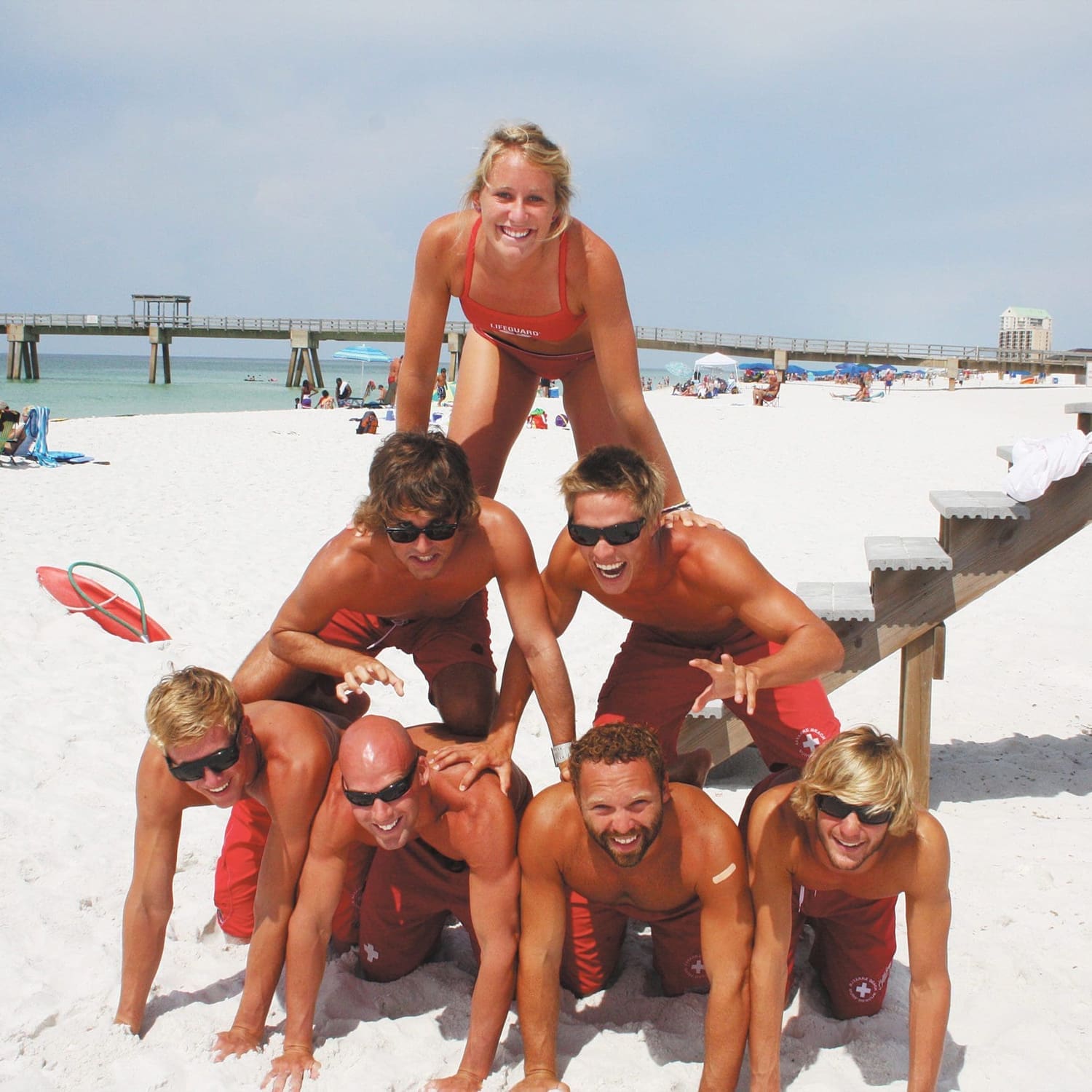
Lifeguards

Rip Currents

Rip Currents

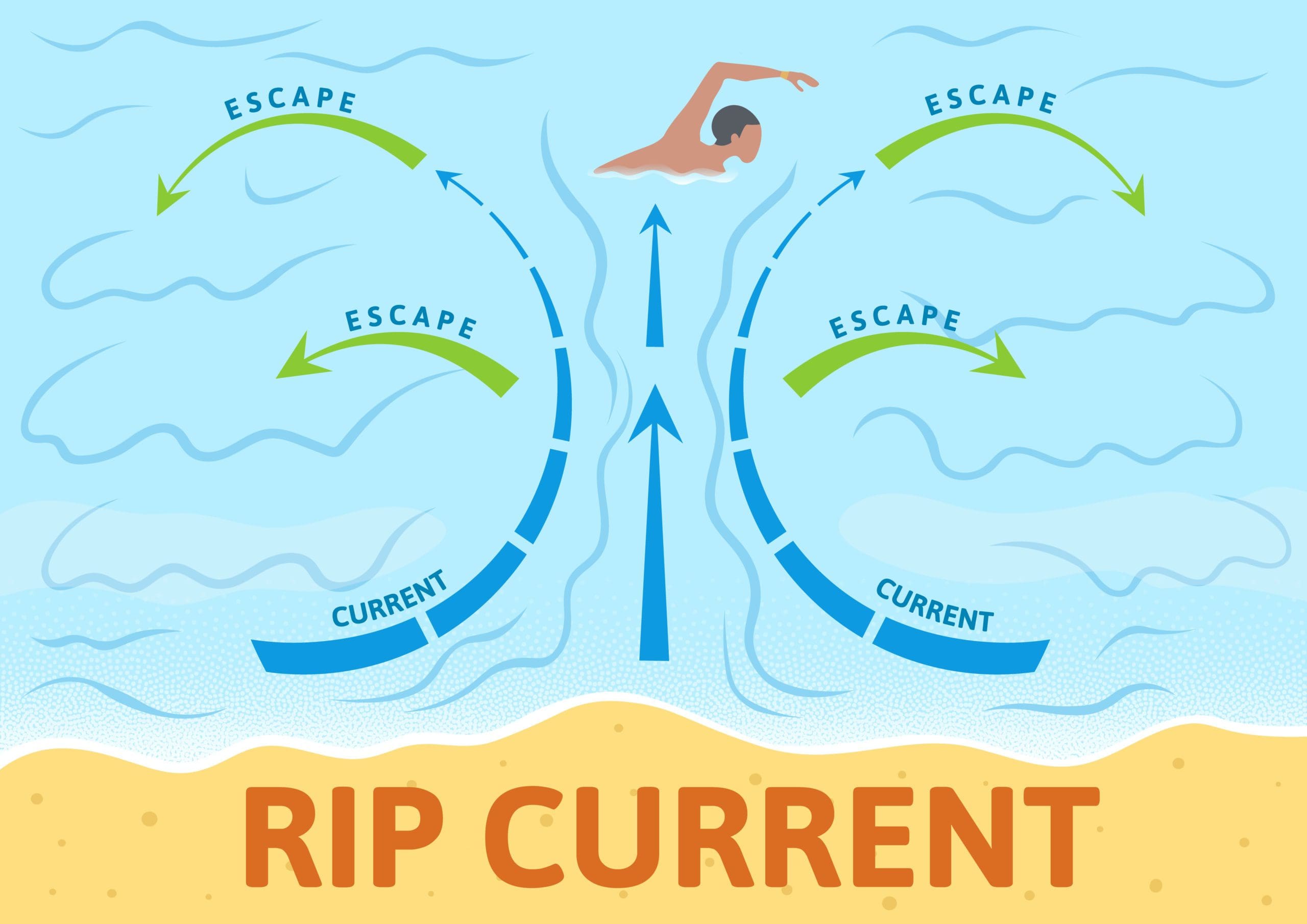
The United States Lifesaving Association estimates that the annual number of deaths due to rip currents on our nation’s beaches exceeds 100. Rip currents account for more than 80% of rescues performed by beach lifeguards. These statistics can be reduced by following a few simple guidelines when the surf is rough at local beaches. The greatest safety measures you can take to avoid the dangers of a rip current are to swim near a lifeguard, recognize dangerous surf conditions and be aware of the dangers of rip currents. Storms have changed the shoreline and near-shore sandbars along our beaches, and the frequency of rip currents has increased. A rip current is a turbulent, fast-flowing current that can carry a swimmer away from shore very quickly. Rip currents are formed when water rushes out to sea in a narrow path (like a break in the near-shore sandbar or from an obstruction of the current caused by a jetty or other type of barrier). Rip currents can last for a few hours or may be permanent; they usually exist during rough surf and after storms.

Some signs of rip currents include:
  • A difference in water color. The water may be murkier from increased sediments or appear darker because it is deeper.
  • The waves may appear to be larger and choppier.
  • Foam or objects are carried directly out to sea, or debris or vegetation may appear perpendicular to the shore at the site of a rip current.
  • As the water rushes out to sea, a bowl-like indentation may be apparent on the shore.
  • Rip currents are usually present if the surf is very rough. Remember, always use common sense and swim responsibly.
If you are caught in a rip current
  • If you are caught in a rip current, don’t panic or try to swim against the current.
  • Swim parallel to shore until you are out of the current. Rip currents are rarely more than 30-feet wide. If you can’t break out of the current, float calmly until it dissipates, usually just beyond the breakers. Then swim diagonally to shore. If you don’t know how to swim, stay out of the water!
  • Swim near a lifeguard.
  • Supervise children when in or near the water.
  • Respect the beach and water environment; know the water conditions.
  • Know your swimming abilities and limits.
  • Swim in groups.
  • Be aware of weather conditions; get out of the water and away from the beach during storms.
  • Stay calm in the event of an emergency.

Beach Warning Flags

Before entering the Gulf, always check the beach warning flags posted at public beach access points and lifeguard stations. These flags provide important information about current surf and water conditions and can help prevent dangerous situations. Gulf conditions can change rapidly due to tides, currents, weather, and wave activity, making it essential to understand what each flag means before entering the water.

🔴 Double Red Flag: Water Closed to Public
Water is closed to the public. Do not enter the Gulf.

🔴 Red Flag: High Hazard
High surf and/or strong currents.

🟡 Yellow Flag: Medium Hazard
Moderate surf and/or currents.

🟢 Green Flag: Low Hazard
Calm conditions. Exercise caution.

🟣 Purple Flag: Dangerous Marine Life
Dangerous marine life is present.

Important: The absence of warning flags does not guarantee safe water conditions. Always use caution and be aware of changing weather, surf, and current conditions.

Beach Flags